Snapchat Planets: Meanings, Order & Best Friend Rankings
Snapchat Planets is a feature available with Snapchat+ that visually ranks your closest friends using a solar system theme. In this system, you appear as the Sun, while your friends are assigned planets based on how frequently you interact with them. Mercury represents your #1 best friend, followed by Venus, Earth, and the remaining planets in order. The feature helps users understand their friendship rankings and engagement levels in a fun, interactive, and easy-to-understand way.
In this article, we will explain the meaning of each Snapchat Planet, the order of the planets, and how Snapchat ranks your best friends.
What Are Snapchat Planets?
Snapchat Planets is a feature exclusive to Snapchat+ subscribers that ranks your top eight best friends as planets in a personal solar system. Each planet represents a different friendship level based on how much you interact with that person. You are the sun at the center, and your closest friends orbit around you, starting from Mercury all the way out to Neptune.
The idea is actually pretty clever when you think about it. Instead of just showing a generic “best friends” label, Snapchat turned your friendships into a visual solar system where your position tells a real story. Mercury means someone talks to you constantly. Neptune means they barely show up. It gives the whole thing a fun and visual way to understand where your friendships actually stand.
Snapchat Planets in Order 2026 (Mercury to Neptune)
Understanding the snapchat planet order is honestly the most important part of this whole feature. Each planet in the snap solar system represents a specific rank in your best friends list, starting from the closest friend at Mercury and going all the way out to Neptune for the person you barely interact with. The order follows the real solar system, which makes it easy to remember once you know what each one means.
Let me break down every planet so you know exactly where you or your friends stand.
Mercury — 1st Best Friend
Mercury is your #1 best friend on Snapchat, the person you interact with more than anyone else on the entire app. Snapchat assigns this spot based on who you snap, chat, and engage with the most consistently, and the icon shows a pinkish-red planet surrounded by red hearts.
People who hold this spot usually share streaks above 100 days, send multiple snaps daily, and are basically the first person opened on Snapchat every morning. If someone sees you as their Mercury, that is the strongest friendship signal the snap solar system offers.


Venus
Venus is your #2 best friend on Snapchat and represents someone you have a very strong and active connection with, just one step behind Mercury. The icon is a warm beige and pink planet wrapped in soft pink and yellow hearts, giving it a noticeably warm appearance.
The gap between Mercury and Venus is often smaller than people expect. Maybe you snap your #1 seven times a day and your Venus friend five times. Still a very close friendship, just not quite at the top of your snapchat best friends list planets.
Earth
Earth is your #3 best friend and represents a genuine, consistent friendship that stays active without necessarily being intense every single day. The icon looks exactly like our real planet, a blue and green globe with a small moon beside it and stars in the background.
You are snapping this person regularly, keeping a streak alive, and having real conversations. The Earth position in someone’s snapchat solar system is a solid and stable spot that shows a friendship with real staying power.


Mars
Mars is your #4 best friend and marks the last position most people would consider a truly close friend on the app. The icon is a red planet with small hearts and stars around it, bold and easy to recognize on any profile.
At this level you and this friend connect regularly but not every single day. The energy is more relaxed than the top three, but the friendship is still meaningful and consistent enough to hold this rank in your snap planets list.
Jupiter
Jupiter is your #5 best friend and this is where the solar system shifts from close friends to more casual ones. The icon is a large orange and brown striped planet with stars around it, and it actually looks impressive despite marking a more laid back friendship.
Conversations here happen on and off rather than daily. You snap them when something funny comes up, reply to a story when it catches your eye, then go quiet for a few days. It is a comfortable friendship, just without the daily energy of the inner planets.


Saturn
Saturn is your #6 best friend and it comes with the most recognizable icon in the whole snap solar system, a ringed planet in orange and golden tones with stars surrounding it. The friendship at this level has become mostly occasional and there is no strong streak holding things together.
You might snap each other when something specific comes up or react to a story once in a while, but the regular back and forth is mostly gone. Saturn is not the end of a friendship, it just means it needs more consistent effort to move back toward the sun.
Uranus
Uranus is your #7 best friend and a clear sign that a friendship has gone quiet. The icon is a solid green planet with stars and notably no hearts anywhere in the design, which sets it apart from every planet closer to the sun.
Interaction here is rare. A snap every couple of weeks, an occasional story reply, nothing consistent. If someone has been sitting at Uranus in your snapchat planet order for a long time, that friendship has settled into a very passive place.

Neptune
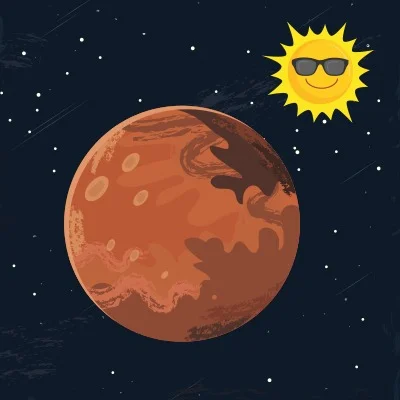
Neptune is your #8 best friend and the final planet in the snapchat planets in order list. The icon is a deep blue planet that honestly looks as cold and distant as the position itself suggests. This person made your top eight, but the activity between you is minimal at best.
An occasional snap, a story view with no reply, a chat that happened weeks ago and went nowhere. Neptune is not permanent though. Interaction shifts constantly on Snapchat, and someone sitting here today can easily move up if both people start putting in more effort.
Snapchat Planets BSF List
The Snapchat Planets Universe refers to the fun, thematic way Snapchat represents your Best Friends (BSF) based on how often you interact with them. These “Snap planets” symbolize the level of closeness or frequency of communication you have with someone on the app, forming what many users refer to as the Snapchat Planets Best Friends List or simply Snap BSF List Planets.
The typical planets in the Snapchat Solar System for your Planets Snapchat BSF List are:
How the Snapchat Friend Solar System Works?
The snapchat friend solar system is a visual feature inside Snapchat+ that turns your closest friendships into a personal solar system. You are placed at the center as the sun, and your top eight most interacted friends orbit around you as planets. The ranking is based purely on your activity with each person, including snaps sent and received, chats, story interactions, and how consistently you engage with them over time.
What makes this different from the regular best friends list is the visual element. Instead of just seeing names, you get a solar system where each friend’s position tells you exactly how close that friendship is in real numbers. Snapchat updates these positions regularly based on your recent activity, so the order can shift week to week depending on who you have been talking to the most.
Snapchat Planet Colors & Icons Decoded
Every planet in the snapchat solar system has a unique color and icon design that makes it easy to identify at a glance. The hearts, moons, rings, and stars around each planet are not just decoration, they actually reflect the warmth and closeness of that friendship level. Mercury and Venus carry red and pink hearts because they represent the most active bonds, while planets like Uranus and Neptune have only stars and no hearts at all, visually showing that the connection has cooled off.
Mercury
Mercury is a pinkish-red planet surrounded by red hearts. The warm red tones and multiple hearts make it the most visually intense planet in the snap solar system, which perfectly matches its meaning as your #1 closest friend.
Venus
Venus appears as a beige and pink planet with soft pink and yellow hearts floating around it. It has a warmer and gentler look compared to Mercury but still carries hearts, reflecting a very close and affectionate friendship.
Earth
Earth is the familiar blue and green planet with a small moon beside it and stars in the background. It is one of the easiest planets to recognize instantly and sits right in the middle of the solar system both visually and in terms of friendship closeness.
Mars
Mars shows up as a red planet with small hearts and stars scattered around it. The red color and presence of hearts still signal a meaningful friendship, just with slightly less intensity than the top three.
Jupiter
Jupiter is a large orange and brown striped planet with stars around it. There are no hearts here, marking a clear shift from the closer inner planets toward a more casual friendship zone.
Saturn
Saturn is a golden orange planet with its iconic ring and stars surrounding it. The ring makes it the most visually distinct planet in the whole snapchat planet order and it is impossible to confuse with any other.
Uranus
Uranus is a solid green planet with only stars around it and no hearts anywhere in the design. The complete absence of hearts compared to the earlier planets is a noticeable visual cue that this friendship has very low interaction.
Neptune
Neptune is a deep blue planet with stars and nothing else. It looks cold and distant, which honestly matches its position as the furthest planet in the snap solar system representing your least active friendship in the top eight.
Conditions to See Snapchat Planets
To see snapchat planets, you need an active Snapchat+ subscription. This feature is not available on the free version of Snapchat, and there is no workaround that gives you permanent access without paying. Once you subscribe, the Friend Solar System becomes visible on the profiles of your best friends automatically.
You also need to make sure the Friend Solar System feature is actually turned on in your settings, because Snapchat+ gives you the option to disable it if you prefer. If you have a subscription but still cannot see any planets, that setting is usually the first place worth checking.
Features of Snapchat Planets
Snapchat Planets comes packed with some genuinely fun details that make it more than just a ranking system. Here is what the feature actually includes:
Snapchat Planet Ranking Algorithm
Snapchat does not share the exact formula behind its planet ranking system, but based on how the feature behaves, the ranking is built around your overall interaction score with each friend over a rolling time period. The more you engage with someone across every part of the app, the closer they sit to the sun in your snapchat solar system.
From what most users and Snapchat behavior patterns show, these are the main factors that influence where a friend lands in your snap planets order:
Best Friends Badge vs Friends Badge
When you visit someone’s profile on Snapchat, you might notice a small gold or purple badge sitting near their name. A lot of people tap it out of curiosity without really knowing what it means. These two badges, the Best Friends badge and the Friends badge, are actually two different things and understanding the difference tells you a lot about how your friendship looks from both sides.
Best Friends Badge
The Best Friends badge is a gold star badge that appears when both you and the other person are in each other’s top best friends list at the same time. It is a mutual signal, meaning you are both interacting with each other heavily enough to land on each other’s radar. When you tap this badge, it opens the Friend Solar System and shows you which planet you are in their solar system. This badge only shows up when the interaction is strong on both sides, so seeing it is a good sign that the friendship is equally active.
Friends Badge
The Friends badge appears when you have someone in your best friends list but they do not have you in theirs. In other words, you are interacting with them more than they are interacting with you. The friendship exists, but it is one sided in terms of Snapchat activity. Tapping this badge still shows you your planet position in their solar system, but the asymmetry is worth noticing if you were wondering why you are not seeing the gold badge.
Why Badges Change or Disappear
Badges change because planet rankings update regularly based on recent activity. If you slow down your interaction with someone, you might drop out of their best friends list entirely and the badge disappears from their profile. It can also switch from a Best Friends badge to a Friends badge if they start engaging more with other people than with you. The badges are essentially a live reflection of where the friendship stands right now, not where it stood a month ago.
How to Check Your Planet in Someone’s Solar System
Checking your planet position in a friend’s snapchat solar system is actually pretty simple once you know where to look. A lot of people miss it because the badge is small and easy to overlook on a profile. Here is exactly how to find it:
One thing worth knowing is that you can only see this if at least one of you has an active Snapchat+ subscription. If neither of you subscribes, the badge will not appear at all. Also keep in mind that the planet you see reflects their interaction data, not yours, so it shows how much they value your friendship based on Snapchat activity, not how much you value theirs.
Tips to Increase Your Snapchat Planets Ranking
Moving up in someone’s snap planets order is not complicated, but it does require consistent effort across the right activities. Random bursts of snapping for a day or two will not do much. What actually moves the needle is steady, genuine interaction over time. Here are the most effective ways to improve your position.
1. Send Daily Snaps
Sending direct snaps is the single highest weighted activity in the snapchat planet ranking algorithm. A snap sent directly to someone carries far more ranking value than a chat message or a story view. If you want to move from Jupiter to Earth in someone’s solar system, making direct snaps a daily habit is the fastest way to get there.
2. Keep Snapstreaks Alive
A Snapstreak means you and your friend have been snapping each other every single day without breaking the chain. Streaks are a strong consistency signal and Snapchat rewards that kind of daily engagement with higher planet rankings. Letting a streak die with someone you want to rank higher with is one of the easiest ways to watch your planet position quietly slide outward.
3. Chat Frequently
Regular back and forth conversations in the chat window contribute to your interaction score with that person. It does not carry as much weight as direct snaps, but it adds up over time, especially when combined with daily snapping. Short daily check ins are more effective for ranking than one long conversation every two weeks.
4. React to Stories
Reacting to someone’s story is a quick and easy way to register an interaction with them. It takes two seconds and it counts toward your activity score with that person. Consistently reacting to stories, especially with a reply rather than just an emoji, signals to the algorithm that you are regularly paying attention to what they post.
5. Use Voice & Video Calls
Making voice or video calls through Snapchat is one of the more underrated ways to improve your planet ranking. Calls represent a deeper level of engagement than snaps or chats, and Snapchat factors them into the interaction score. If you already talk to someone regularly, switching some of those conversations to a Snapchat call can quietly push your ranking higher without much extra effort.
6. Reply Speed Matters
How quickly you respond to someone’s snaps and chats can influence your interaction score. Fast replies signal an active and engaged friendship, while leaving someone on delivered for days tells the algorithm that the connection is passive. You do not need to reply within seconds every time, but making a habit of responding within a reasonable timeframe keeps the interaction score healthy.
7. Avoid Group Snap Overuse
Sending snaps to large groups or using the “My Friends” broadcast option might feel like a lot of activity, but it does not carry the same ranking weight as one on one direct snaps. Snapchat’s algorithm distinguishes between personal direct engagement and mass group activity. If you want to move up in a specific person’s planet order snapchat list, sending them a direct snap will always outperform adding them to a group snap.
How to See Snapchat Planets for Free?
Snapchat Planets is a Snapchat+ exclusive feature and there is no permanent free way to access it. That said, there is one legitimate option worth knowing about before you commit to a paid subscription.
Free Trial Option
Snapchat occasionally offers a free trial for new Snapchat+ subscribers, typically ranging from 7 days to 2 weeks depending on your region and when you sign up. During the trial period you get full access to every Snapchat+ feature including the Friend Solar System and all eight planets.
It is a genuine way to explore the feature before deciding whether the subscription is worth it for you. To check if a free trial is available, simply go to your Snapchat settings, tap Snapchat+ and see what offer appears on your screen.
Friend’s Account Myth
A common belief floating around is that you can see your planet position by using a friend’s Snapchat+ account or by having them check for you. This does not work the way most people think.
If your friend has Snapchat+ and opens your profile, they will see where you rank in their own solar system, but that only shows your position from their perspective based on their interaction data. It does not show you your planet position in someone else’s solar system. To actually see your own planet rankings properly, you need your own active Snapchat+ subscription.
Snapchat vs Snapchat Plus Features
Here is a clear side by side comparison of what you get on free Snapchat versus Snapchat+:
| Feature | Snapchat (Free) | Snapchat+ |
|---|---|---|
| Friend Solar System & Planets | No | Yes |
| Pin Your #1 Best Friend | No | Yes |
| Custom App Icons | No | Yes |
| Story Rewatch Count | No | Yes |
| Ghost Trails on Snap Map | No | Yes |
| Snapstreak Restore | No | Yes |
| Exclusive Bitmoji Styles | No | Yes |
| Priority Story Replies | No | Yes |
| Custom Chat Themes | No | Yes |
| Early Access to New Features | No | Yes |
| Basic Snapping & Chatting | Yes | Yes |
| Stories | Yes | Yes |
| Snap Map | Yes | Yes |
| Memories | Yes | Yes |
| Streaks | Yes | Yes |
| Filters & Lenses | Yes | Yes |
What’s New in Snapchat Planets 2026?
Snapchat has kept the core planet order the same in 2026, Mercury through Neptune still follow the same real solar system sequence they always have. However the overall Snapchat+ package surrounding the planets feature has continued to grow, with new customization options, improved Friend Solar System animations, and smoother profile badge interactions making the experience feel more polished than when it first launched.
One thing that has become more noticeable in 2026 is how frequently the planet rankings update. Earlier versions of the feature felt like rankings shifted slowly and sometimes took days to reflect actual changes in activity.
The current version responds more quickly to shifts in interaction patterns, meaning if you start snapping someone more consistently, you will see your position move faster than before. For anyone trying to climb up in a friend’s snap planets order, that is actually a welcome change because your effort shows up in the results much sooner now.
Snapchat+ Pricing & Plans
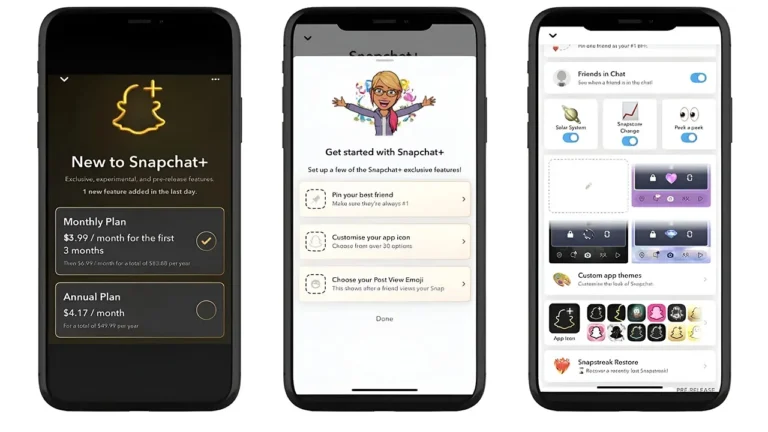
Snapchat+ is available as a monthly or annual subscription and the pricing is straightforward. Here is what it currently costs:
The subscription includes every Snapchat+ feature available at the time, and new features get added regularly, so the value does grow over time. Pricing may vary slightly depending on your country and the platform you subscribe through.
How to Subscribe Snapchat+ (iPhone & Android)
Subscribing to Snapchat+ takes less than a minute on both platforms. Here is how to do it:
How to Cancel Snapchat+ Subscription
Canceling is just as simple as subscribing and it is handled through your phone’s app store rather than inside Snapchat itself.
iPhone:
- Open Settings on your iPhone
- Tap your Apple ID at the top then tap Subscriptions
- Find Snapchat+ in the list and tap it
- Tap Cancel Subscription and confirm
Android:
- Open the Google Play Store
- Tap your profile icon then go to Payments & Subscriptions
- Tap Subscriptions and find Snapchat+
- Tap Cancel Subscription and follow the prompts
Your Snapchat+ access, including the Friend Solar System and all planet features, will remain active until the end of your current billing period after cancellation.
Frequently Asked Questions
Conclusions
Snapchat Planets is a fun way to see where your friendships actually stand based on real activity inside the app. Once you understand the snapchat planet order from Mercury all the way out to Neptune, the whole system makes perfect sense and honestly tells a pretty accurate story of your Snapchat habits.
Just do not overthink the rankings. A planet position measures in-app interaction, not real life closeness. Some of the most important people in your life might sit at Saturn simply because you talk to them everywhere except Snapchat. Use it for what it is, enjoy the feature, and focus on the friendships that actually matter to you beyond the screen.