
Our Science
MAXIMIZING THE POWER OF MELANOCORTIN AGONISTS
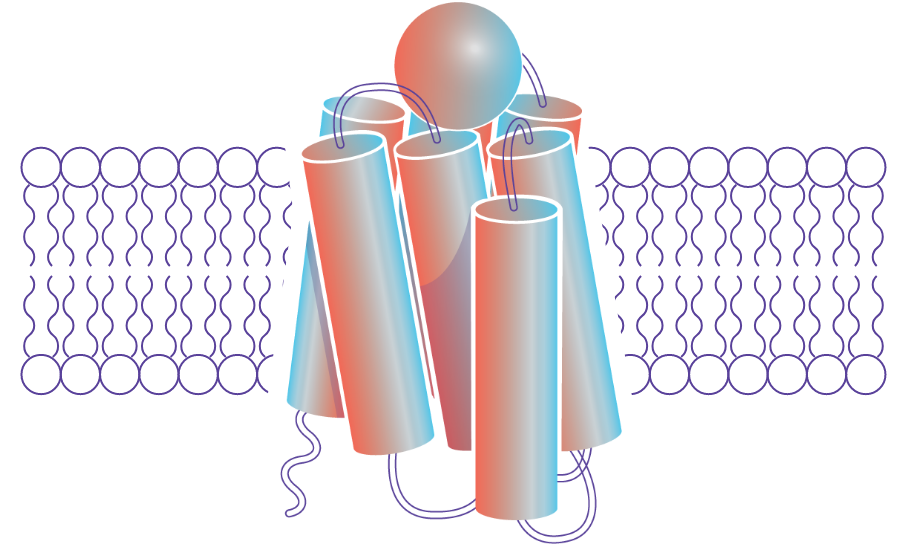
The melanocortin system is mediated by a family of five related receptors (MC1R through MC5R) that are essential to the body’s control and maintenance of food intake, metabolism, inflammation, immune response, steroid hormone production, and sexual function. Modulation of these receptors, through use of receptor-specific agonists, which activate receptor function, or receptor-specific antagonists, which block receptor function, can have significant pharmacological effects. This expansive range of effects can be targeted by Palatin’s receptor-selective drugs.
Harnessing the Melanocortin System in the Body
Brain
Melanocortin receptors found in the hypothalamus regulate weight maintenance and sexual function, allowing therapeutic interventions that can help people take back control.EYES
Many tissues and immune cells located in the eye express melanocortin receptors, empowering the opportunity to directly activate natural pathways to resolve disease-associated inflammation.Colon
Locally engaging melanocortin receptors found in the intestinal lining and immune cells provides a novel approach to reducing bowel inflammation.Kidney
Kidney cells important to its function express the melanocortin receptor 1 (MC1R). Activating these receptors may improve kidney function and health in a variety of kidney diseases.

We research, design, and develop novel highly selective peptides and small molecule agonists targeted for specific melanocortin receptors. Our current research and development emphasis is primarily on use of MC4R agonists for treatment of obesity, with a primary focus on rare neuroendocrine diseases.
We are developing selective MC4R small molecule agonists and peptide agonists with potential utility in obesity and metabolic-related disorders, rare MC4R pathway diseases, such as hypothalamic obesity, Prader-Willi syndrome, and other orphan indications. The MC4R pathway is a validated biological driver of appetite control and energy balance, with direct relevance to both common and rare forms of obesity. Unlike peripheral approaches, MC4R modulation targets central mechanisms of hyperphagia, offering a differentiated strategy to address diseases where conventional therapies provide limited benefit.
We also have development activities supporting our collaborations and business development efforts for MC1R agonist products with potential to treat ocular retinal diseases and inflammatory and autoimmune diseases, such as uveitis, and inflammatory bowel disease. A product candidate MC1R agonist for treatment of dry eye disease, [also] known as keratoconjunctivitis sicca, has been licensed to a third party. Further, a family of melanocortin-receptor compounds for treatment of retinal diseases, including diabetic retinopathy and diabetic macular edema, has been licensed to Boehringer Ingelheim. Targeting the melanocortin-receptor system, Boehringer aims to address the three main drivers of retinal disease: inflammation, vascular dysfunction, and neurodegeneration.
Our current focus is on the design and development of receptor selective melanocortin agonists for inflammation and autoimmune conditions, with a focus on ocular diseases. Our therapeutics work by activating endogenous melanocortin pathways to resolve damaging inflammation and allow affected tissues time to heal. Research has shown melanocortin agonists can prevent and reverse inflammation in disease models, including in the eyes and intestine—two of our targeted areas.
DEVELOPING THERAPIES TO TREAT RARE NEUROENDOCRINE DISEASES
Hypothalamic Obesity (HO): HO is a rare and severe form of obesity caused by dysfunction or damage to the hypothalamus, the region of the brain that regulates appetite, satiety, and energy balance. HO can occur as an acquired condition, most commonly after surgery or radiation therapy for brain tumors such as craniopharyngioma, or as a congenital disorder associated with genetic syndromes and developmental abnormalities affecting hypothalamic function. Individuals with HO typically experience rapid, excessive weight gain, uncontrollable hunger, and profound metabolic disturbances that are resistant to conventional diet, exercise, and behavioral interventions.
Prader-Willi syndrome (PWS): PWS is a rare, complex genetic neurodevelopmental disorder caused by the loss of function of specific genes on chromosome 15. The condition is characterized by hyperphagia, impaired satiety, developmental delays, reduced muscle tone, endocrine abnormalities, and behavioral challenges. Individuals with PWS typically develop an intense and persistent drive to eat, beginning in early childhood, which can lead to severe obesity and related metabolic complications if not strictly managed.